Nine Questions Worth Asking a Commercial Contractor Before You Sign
The right answers to these nine questions look almost the same from every honest bidder. The wrong answers are where the differences show up.
September 3, 2026 · 4 min read
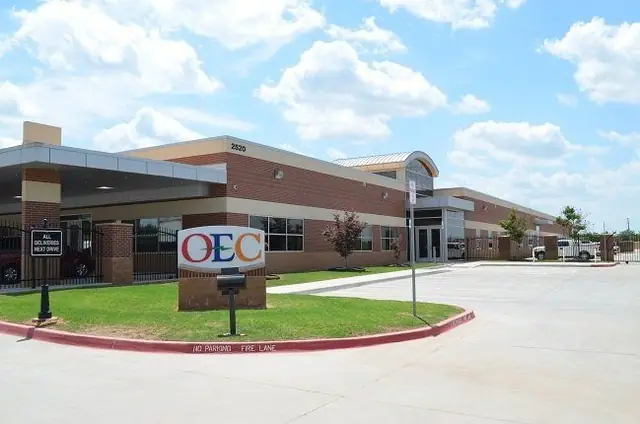
A facilities director or building committee chair reviewing bids is usually comparing price sheets side by side. Price is the easiest thing to compare and often the least useful measure of which contractor will actually deliver the project. These nine questions work on any bidder, for any commercial building. Ask them before a signature, not after a problem.
1. Who is the superintendent, and are they on this job full time?
The answer you want is a named person, assigned to this project specifically, present on site as a matter of routine rather than dropping in between other jobs. A contractor who cannot name the superintendent at contract signing, or who describes the role as shared across several active projects, is telling you how much daily attention your building is actually going to get.
2. How are subcontractors selected across CSI divisions?
Look for a contractor with longstanding relationships with subcontractors across all CSI divisions, combined with competitive bidding for the trades on your specific project. Longstanding relationships mean the electrician and the mechanical contractor showing up have worked with this general contractor before and know how they run a job site. Competitive bidding within that pool means you are still getting market pricing, not a rubber stamp on whoever is available.
3. How are change orders priced and approved?
You want a documented process: written pricing before the work happens, your sign-off required before it proceeds, and a clear paper trail for why the change was needed in the first place. If the answer is vague about timing, or implies changes get priced after the fact, that is exactly the gap where budgets quietly expand.
4. What does progress meeting cadence actually look like?
Complete project oversight paired with regular progress meetings and project schedule updates is the standard to expect, not a bonus feature. A committee should know in advance how often meetings happen, who attends, and what gets reported at each one. If a bidder cannot describe this before the contract is signed, it is unlikely to become more structured after it is signed.
5. What happens to the schedule when a long-lead item slips?
Every contractor will tell you they plan for long-lead items during pre-construction. Fewer can tell you what actually happens when a delivery slips anyway, which it sometimes does regardless of planning. The answer worth hearing involves a contingency built into the schedule and a clear communication plan the moment a slip is known, not a surprise delivered at the original finish date.
6. Who runs the punch list, and how is it closed out?
Oversight from groundbreaking to the final punch list should mean exactly that: the same team managing day one is accountable for the last item on the last list. Ask who walks the punch list, how items get verified as complete, and what the timeline is for closing it. A contractor who treats the punch list as an afterthought during the bid conversation will likely treat it as one on site, too.
7. What contract delivery model are they proposing, and why?
Construction Management, Cost-Plus, Competitive Bid, Design-Build or a Hybrid model each shift cost risk and visibility differently. A bidder should be able to explain in plain language why they are proposing a specific model for your specific project, not just default to whichever one is easiest for them to administer.
8. What does pre-construction actually include?
Feasibility review, conceptual estimating, a preliminary schedule with long-lead items flagged, and value engineering that protects design intent rather than just cutting cost, are the components worth asking for by name. A bidder who treats pre-construction as a formality before the real work starts is skipping the stage that catches the most expensive mistakes.
9. Can they name a comparable project and let you call the owner?
A contractor confident in their own work will offer a reference before you ask for one. Institutional owners, school districts, architects and building committees who have worked with a contractor before will tell you plainly whether the schedule held, whether the budget held, and whether problems were handled without drama. That conversation tells you more than any proposal document.
- Superintendent named and on site full time
- Subcontractors drawn from established relationships, still competitively bid
- Change orders priced and approved in writing before work proceeds
- Progress meetings on a defined, communicated schedule
None of these questions require a construction background to ask. They require a bidder willing to answer them plainly, before a contract exists to hide behind. If a proposal raises more questions than it answers, that is worth knowing before ground is broken, not after. Geddes-Armstrong Construction can be reached at (405) 329-1460 for owners weighing these questions against a real project in Norman or the Oklahoma City metro.
Geddes-Armstrong Construction — (405) 329-1460
Call (405) 329-1460More articles
GMAX, Cost-Plus or Competitive Bid: Choosing a Contract Before You Choose a Builder
The contract you sign shapes the project more than the contractor you sign it with.
Building on a School Calendar: What It Takes to Hand Over Before August
A school project has one deadline that does not move, and it is set by the calendar, not the contractor.