What Pre-Construction Actually Buys You
The work done before ground is broken determines more of a project's outcome than the work done after.
September 3, 2026 · 3 min read
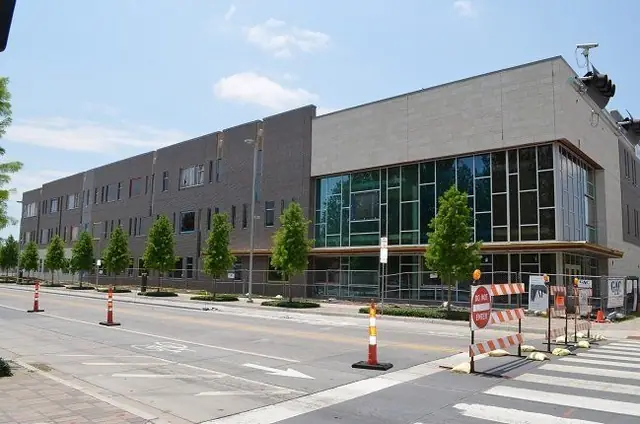
A successful construction project begins long before ground is broken. That is not a marketing line, it is a sequencing fact: by the time a crew mobilizes on site, most of the decisions that determine whether a project finishes on budget and on schedule have already been made. Pre-construction is where those decisions get made deliberately instead of by accident.
Feasibility, before anyone commits to a site
Project feasibility studies and analysis cover site evaluation and logistical assessments, zoning, code and regulatory review, utility access and environmental considerations, and early risk identification alongside construction method recommendations. This is the stage where a site that looks fine on paper gets tested against the rules that actually govern whether anything can be built on it. Finding a zoning conflict or a utility access problem during feasibility costs a phone call and some patience. Finding the same problem after design is complete costs a redesign.
Getting a real number before design is finished
Preliminary construction budgets are conceptual cost estimates built from schematic design and current market data, with budget risks and cost drivers identified alongside alternative design and material pricing options. This is where a Certified Professional Estimator on staff earns their keep. Anyone can guess at a number from a floor plan. Producing a conceptual estimate that holds up as design develops takes someone trained specifically to read incomplete drawings and price them against real market conditions, not last year's assumptions.
Finding the schedule risk before it becomes a delay
A preliminary construction schedule maps high-level timelines with key milestones, plans for design, permitting, procurement and construction phases, and identifies long-lead items and critical path components before they can quietly derail a finish date. A piece of mechanical equipment with a sixteen-week lead time does not care when it gets ordered. If nobody flags it until construction starts, the equipment arrives sixteen weeks after construction starts, not sixteen weeks after it should have been ordered. Pre-construction is where that gets caught.
Value engineering that protects the design, not just the number
Value engineering means finding cost-saving alternatives without sacrificing design intent, through material and system evaluations backed by transparent cost-benefit analysis. Done well, it is not a search for the cheapest substitute for everything in the drawings. It is a targeted look at where a different material, system, or sequencing choice saves real money without changing what the building is supposed to do or how it is supposed to feel. Done poorly, value engineering is just cost-cutting wearing a nicer name, and the building shows it later.
Why an architect-and-estimator conversation has to start early
Pre-construction works only if the contractor's estimating team and the project architect are talking to each other from day one, not exchanging a finished set of drawings for a first-time price check. Geddes-Armstrong Construction collaborates with Architecture and Engineering firms from the start of a project, backed by a Certified Professional Estimator on staff, a credential recognized by the American Society of Professional Estimators. That early collaboration is what lets a conceptual estimate stay accurate as schematic design becomes construction documents, instead of drifting further from reality with every revision.
What it looks like when pre-construction works
The Oklahoma City Metropolitan Area School Trust worked with GAC on John W. Rex Elementary, and their own account of the project points at exactly this stage: "Based on my experiences with GAC I would highly recommend them for similar projects without hesitation. I have worked with numerous contractors over the years and GAC exceeded my expectations." A contractor does not exceed expectations by reacting well to problems on site. Most of that outcome was decided months earlier, in the feasibility study, the conceptual budget, and the schedule that flagged the project's long-lead items before they became long-lead delays.
- Feasibility catches zoning and utility problems before design money is spent on a site that cannot support the plan
- Conceptual estimating gives an owner a real number to plan a budget around, not a guess
- Long-lead identification protects the finish date from equipment that nobody thought to order early
The cheapest hour on any project is the one spent in pre-construction, because it is the only hour that can still change the outcome without changing the cost of the whole job. An owner who skips it is not saving that hour. They are spending it later, at a much higher rate, once the mistake is already built.
Geddes-Armstrong Construction — (405) 329-1460
Call (405) 329-1460More articles
GMAX, Cost-Plus or Competitive Bid: Choosing a Contract Before You Choose a Builder
The contract you sign shapes the project more than the contractor you sign it with.
Building on a School Calendar: What It Takes to Hand Over Before August
A school project has one deadline that does not move, and it is set by the calendar, not the contractor.